Red Cabbage Cultivation: The Complete Farmer’s Guide to Growing High-Yield, Nutrient-Rich Crops

Red Cabbage Cultivation
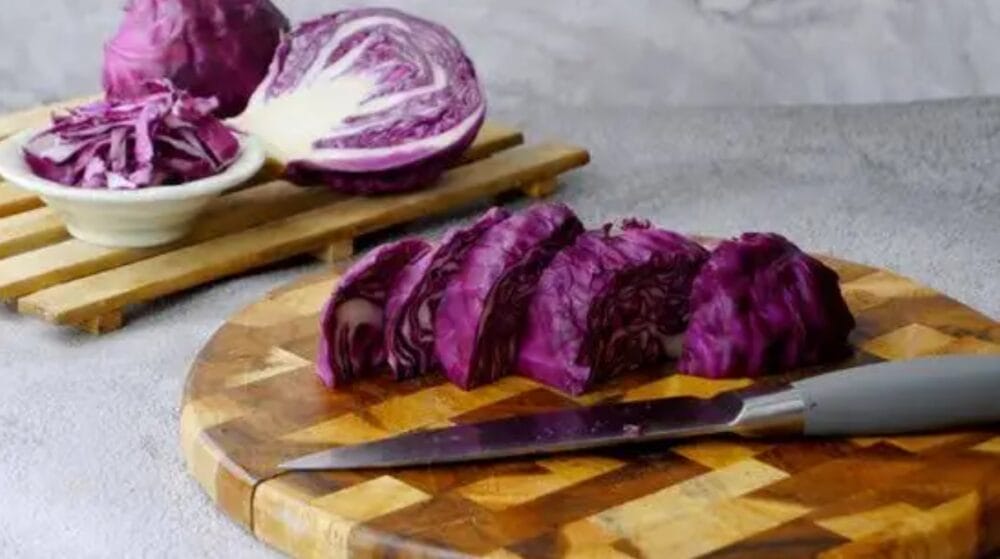
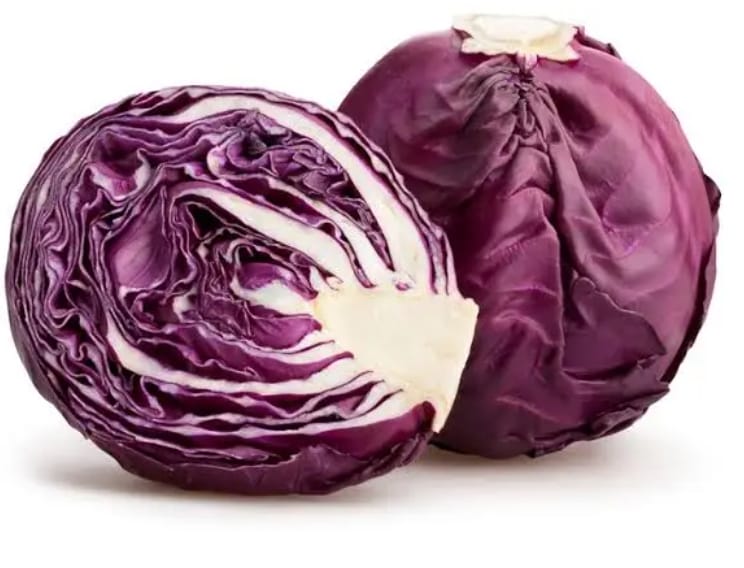
Red cabbage is a cool-season vegetable valued for its vibrant purple-red color, rich antioxidant content, and excellent market demand. It is widely used in salads, pickles, coleslaw, and cooked dishes. With proper planning and care, red cabbage cultivation can be highly productive for both home gardeners and commercial farmers.
This guide explains everything you need to know—from soil preparation to harvesting—for successful red cabbage cultivation.
Climate and Soil Requirements
Red cabbage thrives in cool climates and performs best at temperatures between 15°C and 20°C. Excessive heat can cause loose heads or premature bolting. In tropical and subtropical regions, it is best grown during winter.
Well-drained, fertile loamy soil with good moisture retention is ideal. The soil pH should be between 6.0 and 6.8. Acidic soils should be corrected with lime, while alkaline soils can be improved by adding organic matter like compost or well-rotted farmyard manure.

Land Preparation
Prepare the land by deep plowing followed by 2–3 harrowings to make the soil fine and friable. Remove weeds and crop residues thoroughly. Incorporate 20–25 tons of farmyard manure per hectare during the final plowing to improve soil fertility and structure.
Raised beds are recommended in areas with poor drainage, as waterlogging can lead to root diseases and poor head formation.
Also Read: Litchi Cultivation: Complete Guide for Successful Farming
Variety Selection
Choosing the right variety is crucial for yield and market value. Popular red cabbage varieties include:
- Red Ruby
- Red Acre
- Red Drumhead
- Ruby Ball Hybrid
Hybrid varieties generally offer better uniformity, higher yields, and resistance to common diseases.
Seed Sowing and Nursery Management
Red cabbage is usually grown by raising seedlings in a nursery and then transplanting them into the main field.
- Seed rate: 400–500 g per hectare
- Nursery bed size: 1–1.2 m wide, raised beds
Sow seeds in rows 5–7 cm apart and cover lightly with fine soil. Water gently and regularly. Seedlings are ready for transplanting in 25–30 days when they have 4–5 true leaves.
Transplanting and Spacing
Transplant seedlings during the evening to reduce transplant shock. Maintain a spacing of 45 × 45 cm or 60 × 45 cm, depending on the variety. Proper spacing ensures good air circulation and healthy head development.
Irrigate immediately after transplanting to help seedlings establish quickly.
Nutrient Management
Red cabbage is a heavy feeder and responds well to balanced fertilization.
- Basal dose:
- Nitrogen (N): 100–120 kg/ha
- Phosphorus (P₂O₅): 60–80 kg/ha
- Potassium (K₂O): 60–80 kg/ha
Apply the full dose of phosphorus and potassium and half of nitrogen at transplanting. The remaining nitrogen should be applied in two split doses at 30 and 45 days after transplanting.
Supplementing with organic manure and biofertilizers improves soil health and crop quality.
Irrigation Management
Regular and uniform irrigation is essential for proper head formation. Irrigate immediately after transplanting, then every 7–10 days, depending on soil type and weather. Avoid irregular watering, as it can cause head splitting and reduce quality.
Drip irrigation is highly efficient and helps conserve water while maintaining consistent soil moisture.
Weed Control and Intercultural Operations
Weeds compete for nutrients and moisture, especially during the early growth stage. Two to three hand weedings are usually sufficient. Light hoeing improves soil aeration and encourages root growth.
Mulching with straw or plastic mulch helps suppress weeds, retain soil moisture, and maintain soil temperature.
Pest and Disease Management
Common pests include aphids, cabbage worms, and diamondback moths. Regular field monitoring and the use of neem-based products or biological controls help manage pest populations.
Major diseases include black rot, downy mildew, and clubroot. Preventive measures such as crop rotation, resistant varieties, and proper drainage are essential for disease control.
Harvesting and Yield
Red cabbage heads are ready for harvest 70–100 days after transplanting, depending on the variety. Harvest when the heads are firm and fully developed. Delayed harvesting can result in cracking and loss of market value.
Average yield ranges from 250 to 350 quintals per hectare under good management practices.
Frequently Asked Questions (FAQ)
Q1. When is the best time to grow red cabbage?
Red cabbage is best grown in winter or cool seasons when temperatures range between 15°C and 20°C.
Q2. Can red cabbage be grown in pots?
Yes, compact varieties can be grown in large containers with good drainage and fertile soil.
Q3. How often should red cabbage be watered?
Irrigate every 7–10 days, ensuring consistent moisture without waterlogging.
Q4. Why are my red cabbage heads splitting?
Head splitting usually occurs due to irregular watering or sudden heavy irrigation after dry periods.
Q5. Is red cabbage more nutritious than green cabbage?
Yes, red cabbage contains higher levels of antioxidants, especially anthocyanins, which give it its purple color.
Conclusion:
Red cabbage cultivation is a profitable and rewarding venture when proper agronomic practices are followed. With suitable climate conditions, balanced nutrition, and timely pest management, farmers can achieve high yields and excellent quality produce that meets market demand.
Also Read: Cabbages